 AI
Storytelling Mountain
AI
Storytelling Mountain This Week’s
Agenda & Guests
This Week’s
Agenda & Guests E‑Ticket
Gold Mine
E‑Ticket
Gold Mine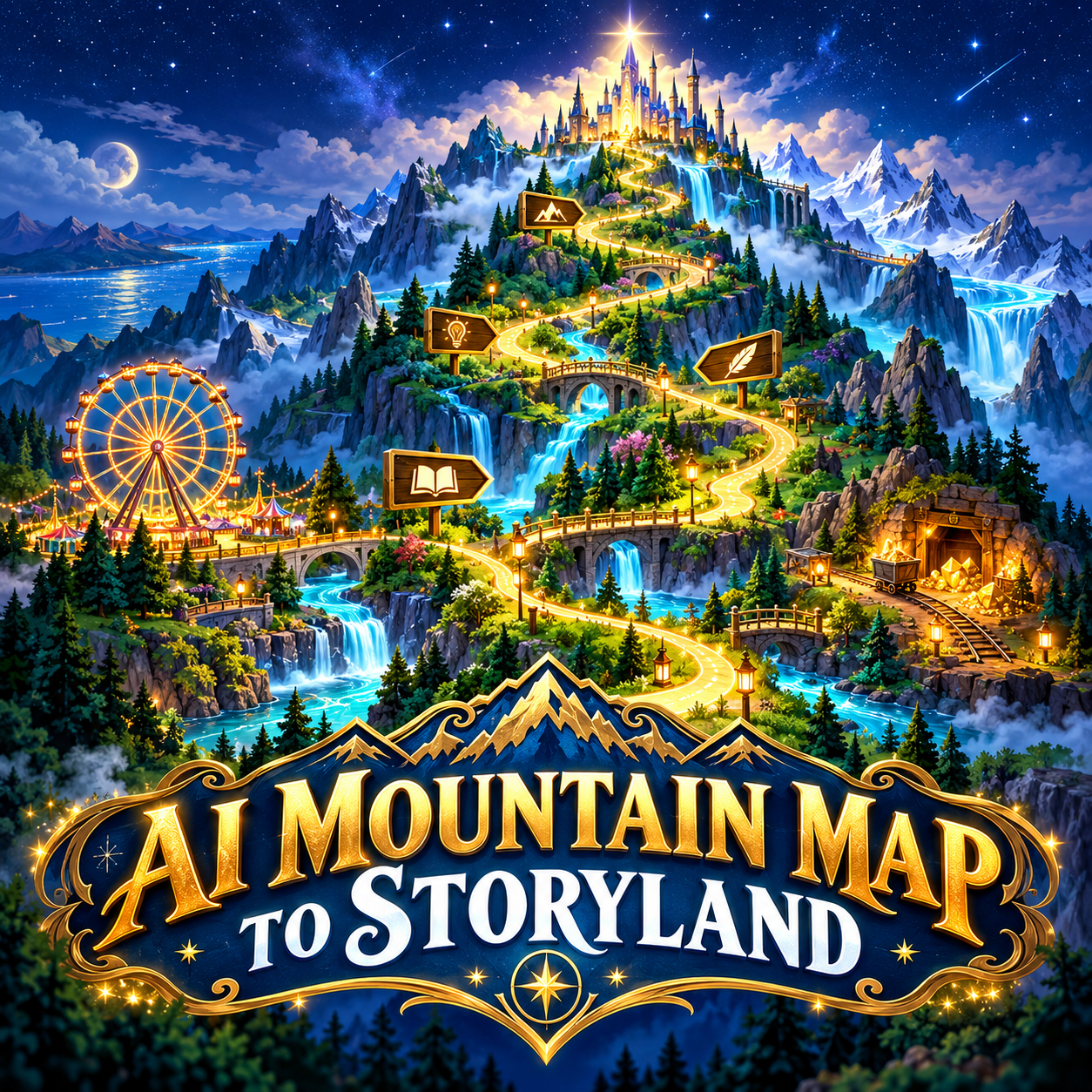 AI
Mountain Map to StoryLand
AI
Mountain Map to StoryLand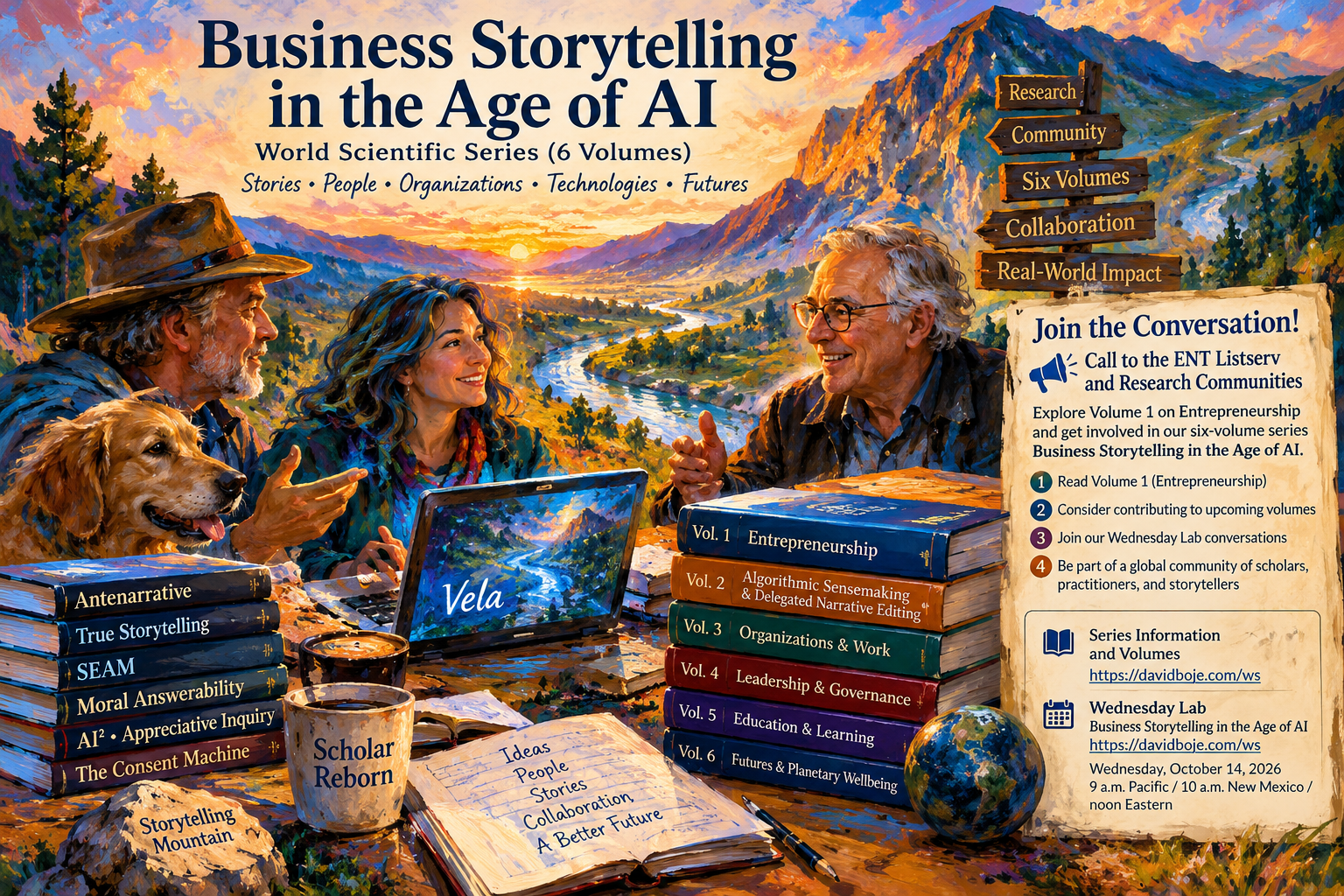
 Visit
davidboje.com · StoryLand Main Gate
Visit
davidboje.com · StoryLand Main Gate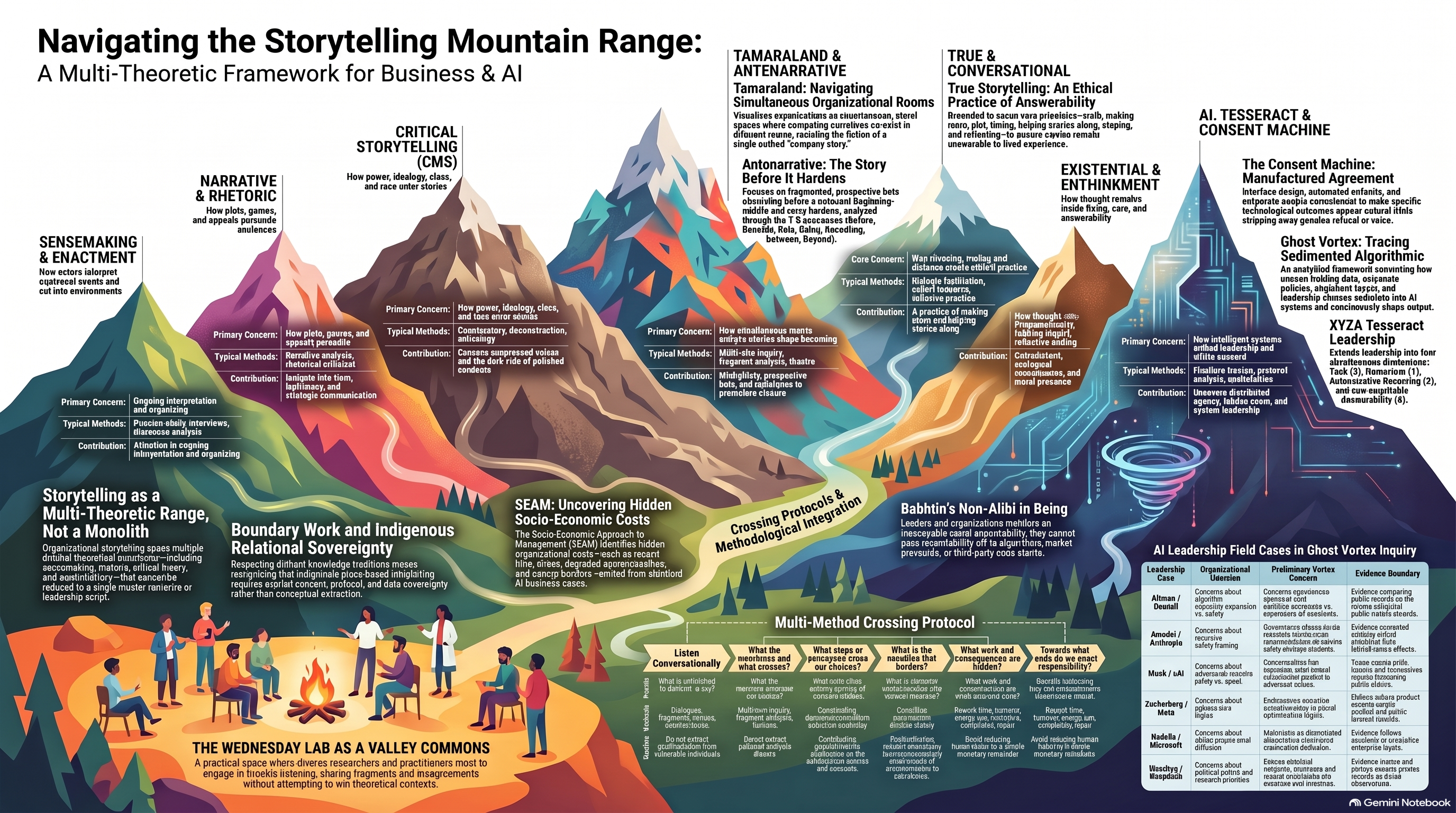

Quick guide to the analyses:
Storytelling Mountain Range: maps the different traditions and methods of business storytelling and shows where each may contribute to Series 3.
Climbing the Tallest Tree on Storytelling Mountain: restories an Alaska childhood climb, the living tree, Pokémon intervention, AI suggestionability, ENTHINKMENT, and the descent into gratitude and answerability.
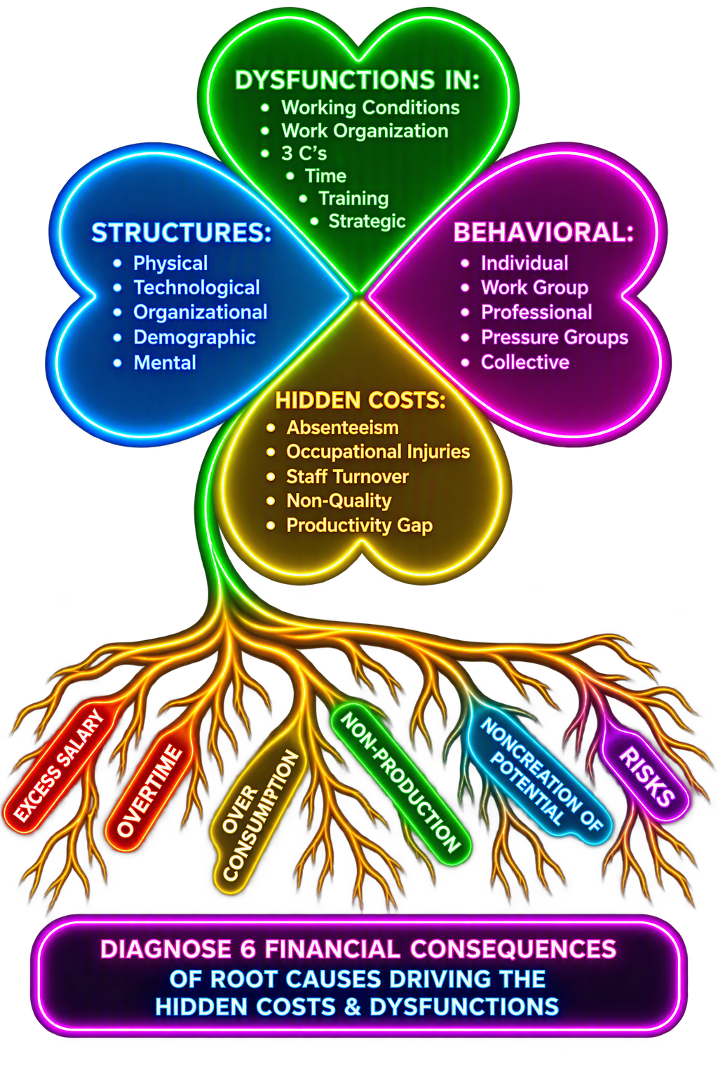
Humanoid Robotics: uses SEAM and qualimetrics to analyze hidden costs, work conditions, safety, and the choice between worker displacement and human-centered redeployment.
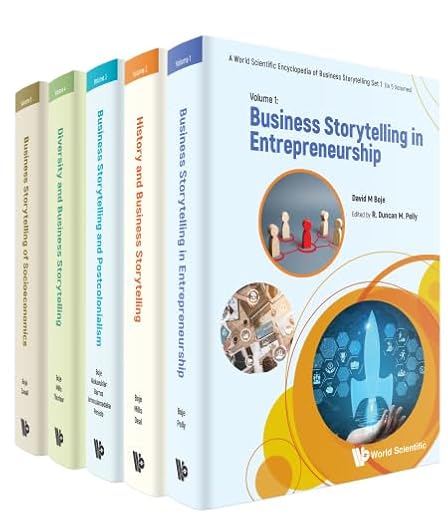
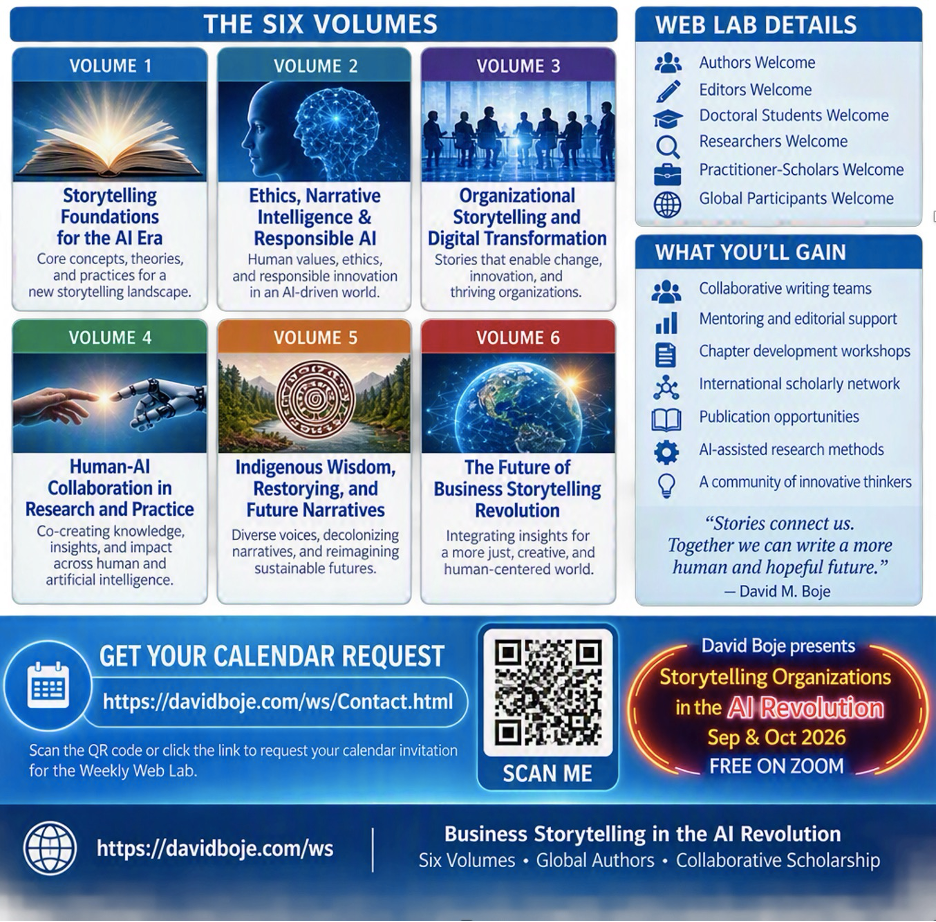
Business Storytelling in the AI Revolution: introduces the six proposed Series 3 volumes and follows an AI chip from materials and lithography through supply chains, data centers, training, labor, consent, and the Ghost Vortex.
Storying Agentic Commerce: uses Tesseract and qualimetric analysis to examine the Amazon–Meta–Muse bank conflict and the competing narratives, actors, and value consequences in agentic commerce.
The Muse Event from Meta’s Perspective: uses antenarrative and True Storytelling to examine how the event is framed, whose voices are represented, and how ethical answerability is negotiated.
Living the Legacy: brings Hartman’s Science of Value into dialogue with business storytelling, analyzing value judgments and human worth in the AI revolution.
AI² in an Unprotected World: brings Appreciative Inquiry, Jain ethical questions, antenarrative, the eleven Ds, and SEAM into conversation with artificial intelligence, asking how inquiry can welcome critical stories and remain answerable to labor, harm, and the Ghost Vortex.
Why Is AI a Quasi-Object (QO)?: develops the soccer-ball metaphor to follow AI as a circulating quasi-object that makes and remakes organizational collectives. It includes practical guidelines for Series 3 volume editors and authors in its appendix.
The Last Postmodernist: revisits Tamara-Land and the office-supply ethnography to question whether AI is a rupture or a continuing mixture of premodern, modern, and postmodern storytelling.
Tourbillon Drizzle: an AI-coauthored working paper offered as an evolving inquiry in storytelling, organization, and artificial intelligence.
AI Assisted Storytelling, Self Creation, and Moral Answerability: opens a philosophical dialogue with Muhammad Asghari around Rorty, self-creation, pragmatism, antenarrative, and responsibility in AI business storytelling.
Pavel Avdonkin — Expert for a Million: the complete English translation of Pavel’s illustrated book, available to read in the frame or download in PDF and DOCX formats.
Reference Documents archive: a special-admission collection of selected foundational publications, chapters, and a SEAM preface.
The AI Trust Paradox: a book draft tracing AI corporations and their turning points, with detailed CEO case studies.
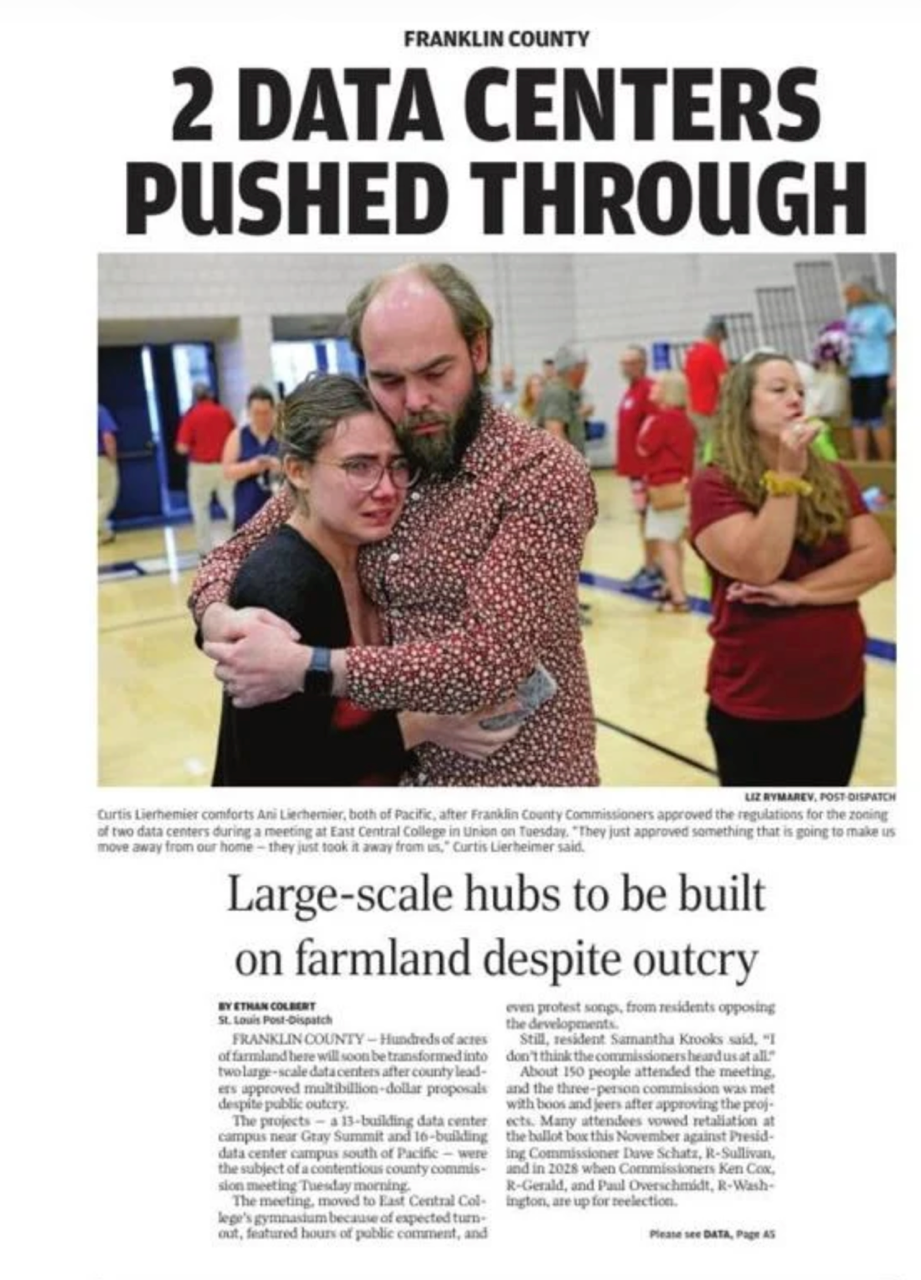
Ghost Vortex of Santa Teresa: a Project Jupiter AI data-center case study.
Ghost Vortex Prompting with AI Agents: Boje’s 2026 Management Labour Studies article on using prompts to assess an AI agent’s Ghost Vortex.
The Luddite Consultant in the Age of AI: Boje’s book on consulting with AI without surrendering human judgment, story, and ethical responsibility.
Read each paper in this frame. PDFs are offered for download; selected items may also provide an editable DOCX edition. Open the AI Narrative Terrain presentation in a new tab.